
Nature’s Blueprint: Empowering Communities Through ENR
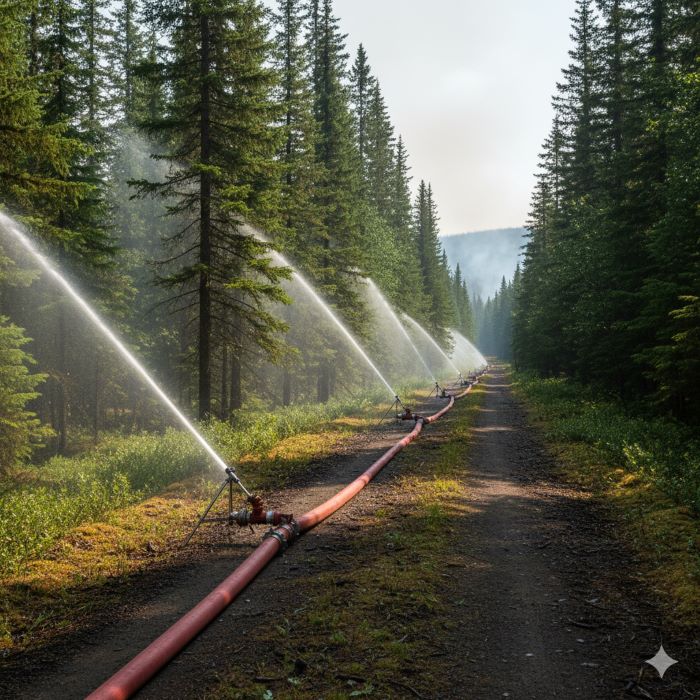
Protecting our communities from the increasing threat of wildfires requires innovative, cost-effective solutions rooted in nature. Enhanced Natural Regeneration (ENR) offers a transformative approach by working with the boreal forest’s inherent resilience. Originally conceived to restore disturbed areas, ENR involves the strategic transplanting of native saplings from locations like roadsides and powerlines back into the forest. By leveraging existing local resources, we can accelerate reforestation and build natural defenses that safeguard our homes and ecosystems while maintaining the ecological integrity of the Canadian wilderness.
Living Barriers: Creating Biological Firebreaks with Trembling Aspen
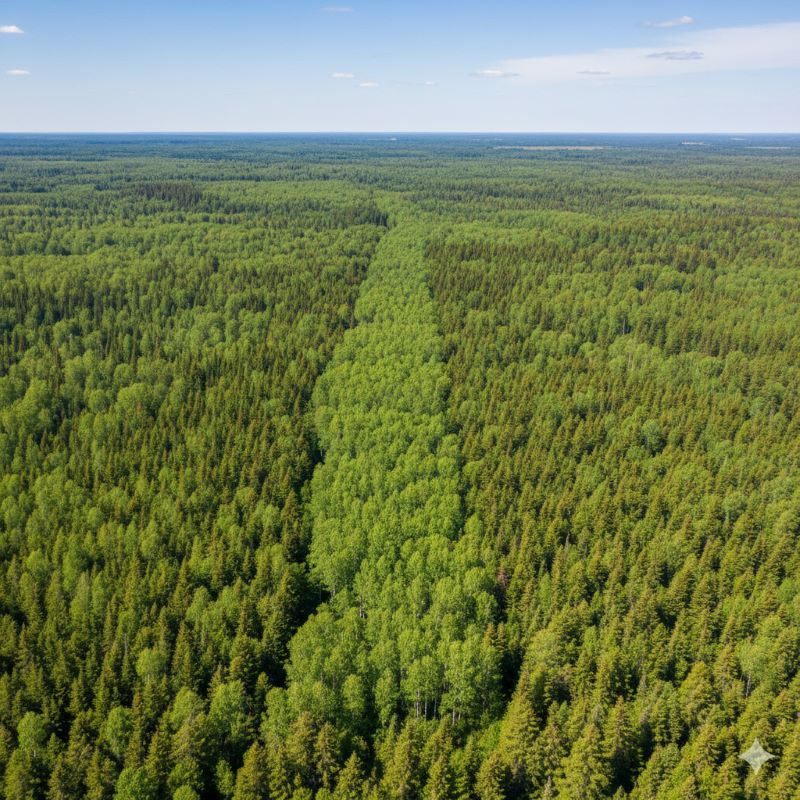
The true brilliance of ENR lies in its ability to create functional, biological firebreaks through strategic species placement. Deciduous trees, particularly Trembling Aspen, are less flammable than conifers and act as natural heat shields. By transplanting Aspen into designated zones—ideally 100 feet wide or greater—communities can establish “green” firebreaks that slow a fire’s progress. Conifers moved during the process are replanted outside these zones, ensuring biodiversity remains intact. This method mimics natural succession but at a faster pace, providing a low-cost, high-impact strategy for local wildfire mitigation.
Cultivating Safety: A Sustainable Path Forward for Our Forests
Embracing Enhanced Natural Regeneration allows communities to take wildfire protection into their own hands. By utilizing the saplings already growing in nearby disturbed areas, we can foster healthy, fire-resistant forests without the high overhead of industrial nursery stock. It is an invitation to collaborate with the landscape, turning vulnerable edges into robust biological barriers. Let’s start viewing our local forests not just as scenery, but as active partners in our collective safety and environmental stewardship. Visit the ENR website.