

Modern Risks: Addressing the Interests of Local Citizens
Protecting our communities from the increasing threat of wildfires requires innovative, cost-effective solutions rThe increasing frequency of intense wildfire seasons has made proactive forest management a necessity for northern communities. A well-designed firebreak is more than just a cleared line in the wilderness; it is a strategic asset that integrates local geography, ecology, and economy to create a defensible perimeter. By understanding the intersection of topography, natural species resistance, and sustainable resource utilization, we can transform the way we protect our homes. This guide outlines the critical steps for planning, executing, and maintaining a robust community firebreak system.
Strategic Planning and Topography
To maximize effectiveness, a firebreak should ideally be situated on relatively flat ground. High-gradient slopes can act as chimneys, accelerating the spread of fire through “pre-heating” upslope fuels. Placing a break on level terrain allows for easier equipment access and more predictable fire behavior.
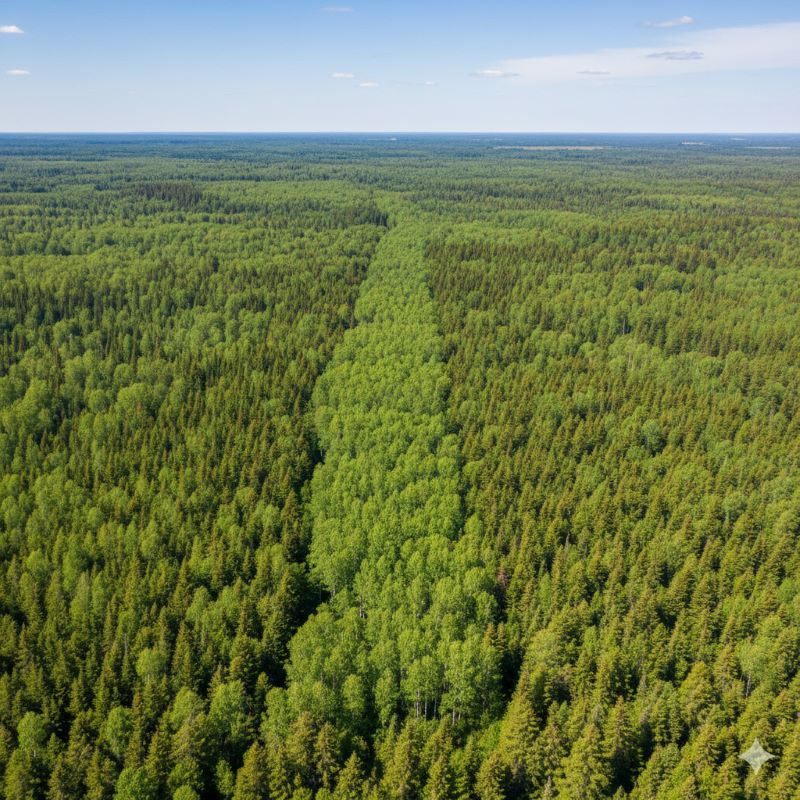
Furthermore, efficiency is driven by “tying in” to existing features. You should map the route to connect natural lakes and wetlands, which act as massive, zero-cost fuel breaks. Similarly, integrating natural stands of trembling aspen provides a biological advantage; these deciduous stands have higher moisture content and lack the volatile resins found in conifers, acting as a natural retardant.
Fuel Mitigation and Maintenance
A firebreak is only as strong as its weakest link. It is essential to remove ladder fuels—the low-hanging branches and shrubs—between the town and the primary break. This prevents a surface fire from climbing into the tree canopy, where it becomes much harder to control.
It is vital to manage expectations regarding the timeline:
- Initial Clearing: High-intensity labor over the first several seasons.
- Long-term Maintenance: Regular thinning and debris removal to prevent regrowth from becoming a new fuel source.
- Multi-year Commitment: This is not a “one and done” project but a permanent shift in land management.
The Economic Engine: Turning Debris into Revenue
To offset the significant costs of manual labor and machinery, the firebreak must be treated as a source of sustainable forest products.
- Trembling Aspen Chicot: Dead-standing aspen (chicot) is a premium product. As it stands, it debarks and seasons naturally, making it exceptionally clean and ready for immediate use in home fireplaces.
- Local Firewood: Selling seasoned wood directly to community members keeps energy dollars local.
- Regional Biofuels: Non-merchantable materials, such as ground-up branches and tops, can be sold as “hog fuel” or feedstock for waferboard mills, biomass power plants, and commercial greenhouses.
Legal and Social Infrastructure
No project of this scale succeeds without addressing the human element. You must proactively locate landowners and negotiate formal land-use agreements or easements. This process can be complex and requires a transparent, community-first approach.
To make things happen, connect with local leaders and veteran woodsmen who have the institutional knowledge and equipment connections to move the project from paper to the forest floor.
Additional Considerations for the Post
- Selective Cutting: Your area may have a lot of Trembling Aspen and merely removing select conifers can create a biological firebreak – super low cost.
- Volunteers: You may have to get the people trained and a safety guideline to follow to reduce the high cost of making a firebreak.
- Youth Employment: Highlight the opportunity to hire local students or youth crews for manual debris clearing, fostering a sense of ownership and providing seasonal jobs.
- Logging Deal: You may have to remove a strip of conifer trees to create the firebreak. Land owners may benefit with the return from the harvest.
Conclusion
Creating a resilient community requires a shift from reactive firefighting to proactive forest stewardship. By leveraging the natural properties of the boreal landscape—like the fire-resistant nature of Trembling Aspen and the barrier of our lakes—we can build defenses that pay for themselves. Through the sale of biofuels and premium firewood, the cost of safety becomes an investment in the local economy. Together, with the right leadership and a long-term vision, we can ensure our communities remain safe havens for generations.