

Fueling Safety: Turning Firebreaks into Local Value
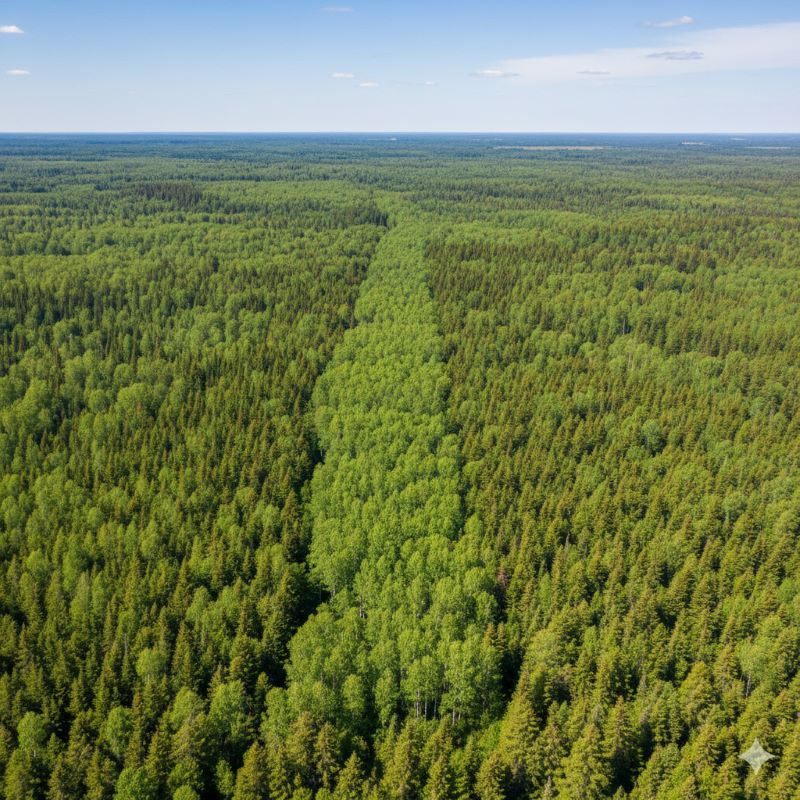
Protecting our homes from wildfire doesn’t just save lives; it can actually sustain our local economies. When we create strategic firebreaks near our neighborhoods, we remove “biofuels”—the dry wood and brush that feed forest fires. Instead of seeing this material as waste, we can view it as a valuable resource. By processing and selling these materials locally and regionally, we can offset the costs of wildfire mitigation. This circular approach turns essential safety work into a self-financing community effort that benefits everyone.
From Forest Floor to Local Hearth
The process begins with the careful thinning of timber and undergrowth. Firewood salvaged from these operations can be offered to local residents at a discounted rate, ensuring that those closest to the firebreak benefit directly from the harvest.

A unique opportunity exists with Chicot Trembling Aspen. As these trees dry out and stand in the wilderness, they naturally shed their bark and season over time. Once harvested and bundled, this “standing dry” wood becomes premium, ready-to-use fireplace fuel. These bundles can be sold through local storefronts, providing a clean-burning heat source for the community while keeping revenue to fund the firebreak effort.
For materials that aren’t suitable for firewood, such as dried tree branches and smaller debris, there is a regional industrial market. These leftovers are processed into hog fuel—a coarse, ground-up wood fiber. Once loaded into large trucks, this fuel is transported to regional enterprises equipped with industrial hog fuel burners. Selling this biomass to larger plants ensures that nothing goes to waste, turning every branch into a contribution toward the firebreak effort.
Building a Resilient Future
By integrating these strategies, firebreak projects become more than just a line of defense; they become an engine for local sustainability. We aren’t just cutting trees; we are heating homes, powering regional industries, and protecting our future. This model proves that when we manage our forests responsibly, the land provides the very resources needed to keep us safe. Let’s continue to turn our wildfire mitigation efforts into a win-win for communities and the environment.